
Telecom
Envoy for telecom sites.
Cooling, power, and water intrusion at a remote shelter usually get less monitoring than the network equipment inside, and a monitor that quits out there is invisible.
Envoy verifies the monitoring you already have, expands it where coverage is partial, and supplies it where there is none. It coordinates the response when an alert fires and keeps the record of what happened.
Envoy comes through a partner or from ObjectSpectrum directly.
What this page covers
Unattended by design.
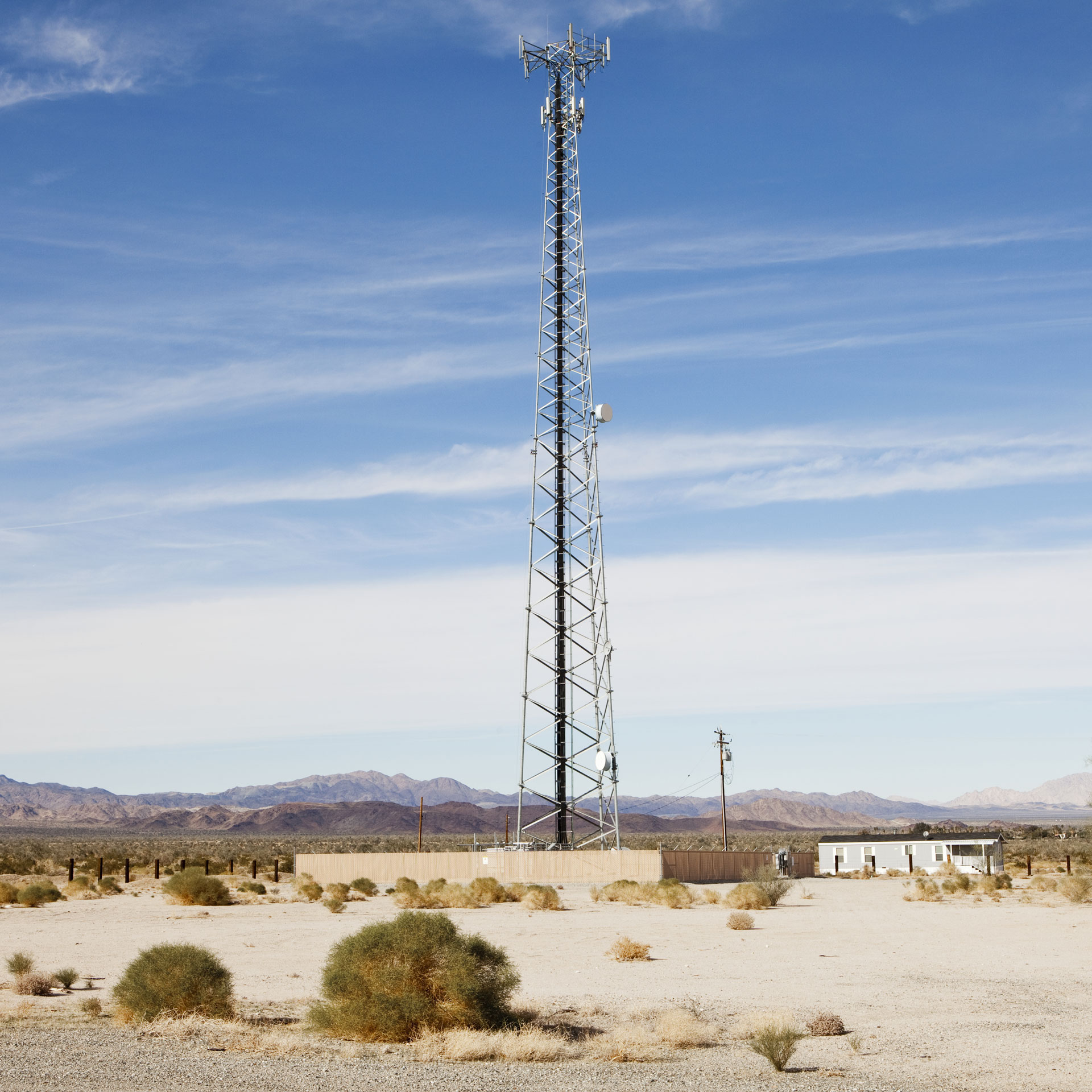
Antenna and cell sites and remote shelters are unattended by design, spread across wide geographies, and go long stretches with nobody inside them. Network-operations tooling watches the network. The building around it is a separate question, and a site can look healthy on the network side while the physical layer is failing.
Whatever monitoring is already at a site, Envoy connects to what it can reach and confirms it is still reporting. Where coverage stops partway, Envoy fills in. Where there is none, Envoy supplies it.
Envoy is not a safety system. Fire suppression and emergency alarm systems stay primary, and Envoy does not replace them. What Envoy adds is knowing those systems are still reporting, so one that went offline shows up as something to fix rather than sitting there looking fine. Where they are connected, Envoy can also record that an alarm fired and alert the contact you assign.
The Problem
Why this is harder than it used to be.
Network monitoring gets sustained attention, because the network is the product. The environment inside the shelter is a different problem, and monitoring installed at build-out can sit for years without anyone confirming it still reports.
Distance compounds it. A single operator can be responsible for hundreds of sites across a wide footprint. Site visits run on a cycle, and a monitor that stopped reporting stays that way until the next one.
Carriers and site owners with uptime obligations, and insurers behind them, ask for proof that physical-site monitoring was in place and working. That evidence usually has to be assembled after the fact from systems built to watch the network rather than the room.
What Envoy Delivers
Verified. Coordinated.
Visible. Documented.
Envoy continuously checks that the monitoring is still reporting. What Envoy supplies is covered from the day it goes in, and what you already own is covered wherever Envoy can reach it. When a monitor stops reporting, Envoy notifies the contact you assign.
Every alert goes to a named person and gets tracked to resolution, and if nobody responds inside the agreed window, it escalates. That routing can depend on the site, the type of problem, and the time of day, which matters when the field team covering a site is hours away from it.
One view covers every site in scope, showing which monitoring is verified, what alerts are open, and where each one stands.
The record builds as the work runs, so it is there when a carrier, a site owner, or an insurer asks. You can export it, and it reflects what Envoy actually observed rather than what got reconstructed afterward.
Envoy operates above the systems already in place. Sitetracker, Accruent Siterra, the network-operations tooling, the site power and cooling monitoring, and the fire suppression and alarm systems all keep doing what they do. Envoy connects what they report to who handles it and what happened next.
Two Tracks
Where to go from here.
For Operators
If you operate telecom sites
You work from monitoring you know is reporting, including at sites nobody has been inside in months, every alert has a named owner, and the record is already built when a carrier or an insurer asks for it.
Start with Get Envoy, and someone will come back to you with the right path. If a firm already maintains your sites, ask them about Envoy first.
For Partners
If your firm serves telecom site operators
Facilities management firms holding recurring telecom-site contracts are the closest fit here, along with mechanical and HVAC providers with site-maintenance agreements, security and low-voltage integrators already billing for monitoring, and restoration firms on program contract.
Carriers and site owners with uptime obligations are asked to document that physical-site monitoring was in place and working. The firm already servicing those sites is positioned to supply that, which is something the operator cannot get from its other vendors.
How you charge for Envoy is your decision, and the Partner Model page covers the commercial side.